Doctor Explains Why Some People Experience Unexpected Pleasure Responses at the Gym
A third theory centers around the pudendal nerve, one of the major nerves connected to pelvic sensation and arousal. Because this nerve passes through areas affected during intense core and lower-body workouts, some experts think repeated pressure, movement, or stimulation around the pelvis may unintentionally activate it. This could help explain why the sensation is more commonly reported during exercises that place significant strain on the abdominal and pelvic muscles.
Researchers have also noted that hormones and increased blood flow during physical activity may contribute to the experience. Exercise naturally boosts circulation throughout the body, including the pelvic region, while also releasing endorphins and other chemicals linked to pleasure, stress relief, and emotional well-being. In certain situations, these combined physical reactions may create the conditions for a coregasm to occur.
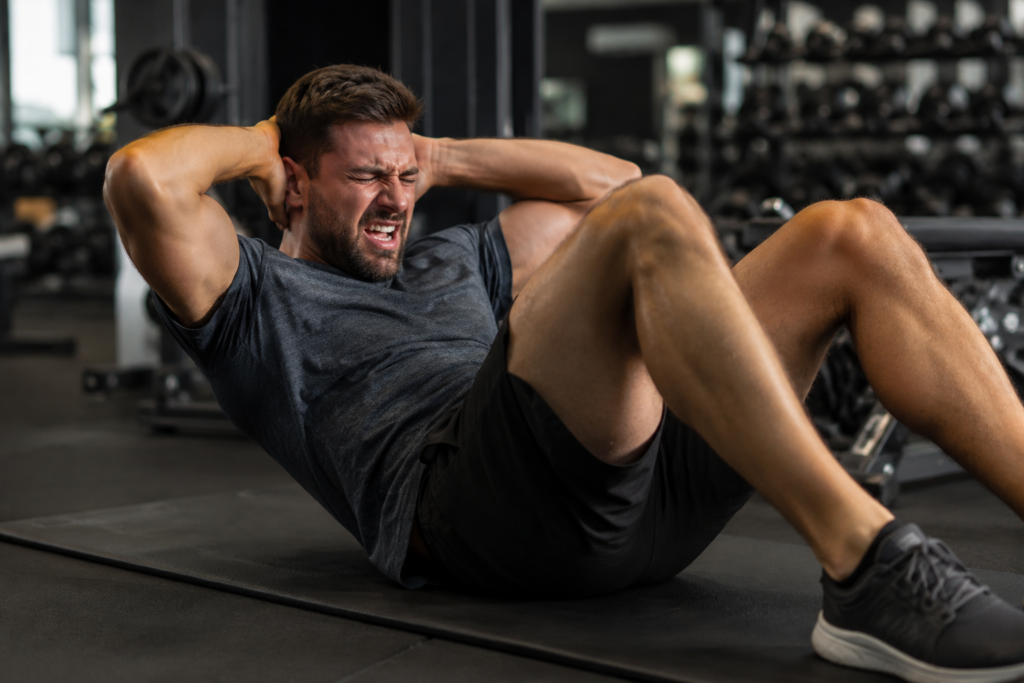
Despite these theories, specialists emphasize that much more research is needed before science can fully explain the phenomenon. Most available information currently comes from personal reports and small studies rather than large-scale medical research. Because of this, doctors continue to study how muscular activity, nerve stimulation, and physiological responses interact during exercise.
What experts do agree on, however, is that the experience is not considered dangerous or abnormal. While some people may feel embarrassed or uncomfortable discussing it, physicians stress that it is simply a complex bodily response that can happen naturally during intense physical activity. As Dr. Martin explained, “If this happens to you, know that you are not alone.”
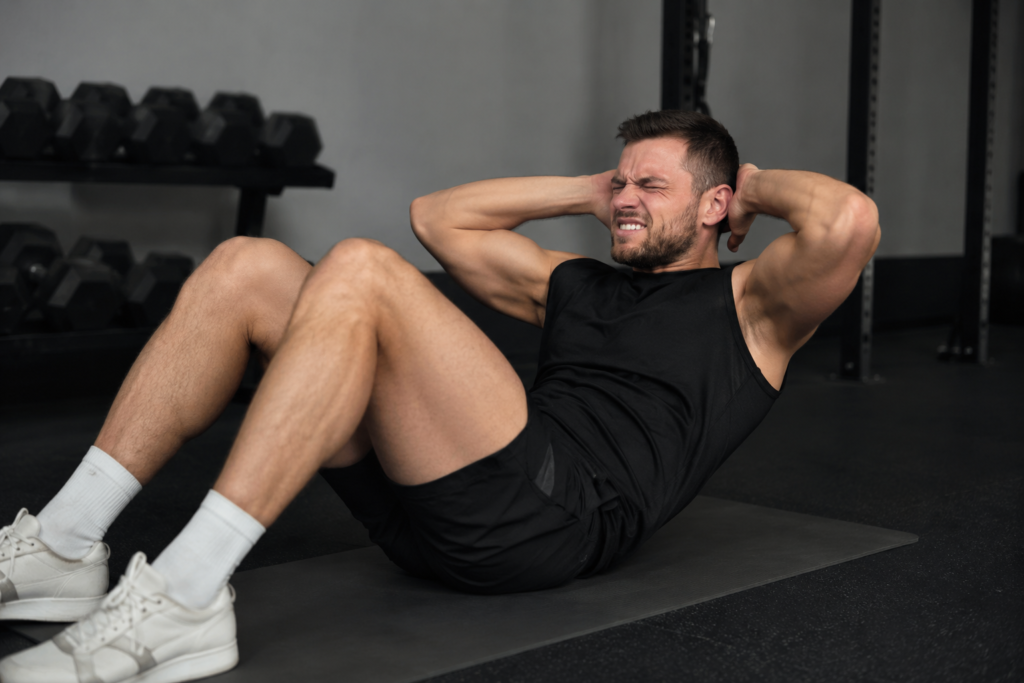
Although the idea of experiencing pleasure during a workout may sound unusual, the so-called coregasm is ultimately another reminder of how intricate, unpredictable, and fascinating the human body can be. The connection between muscles, nerves, hormones, and movement is far more complex than many people realize — and science is still uncovering new details about how our bodies respond under physical stress and stimulation.