22-Year-Old OnlyFans Creator Goes Viral Over Rhinoplasty Reason
Public Reactions: From Mockery to Sympathy
The internet’s reaction to the story was divided. Many users turned the situation into memes and jokes, focusing on the misunderstanding of genetics.
Some comments included:
- “That’s not how DNA works.”
- “You can’t update your genetics with surgery.”
- “Imagine thinking cosmetic surgery rewrites biology.”
Others expressed concern rather than mockery. Mental health advocates and psychologists noted that the situation reflects deeper insecurities caused by modern beauty culture.
Some users defended the creator, arguing that people should not be publicly shamed for their personal choices. They pointed out that countless individuals struggle with insecurities about their appearance and that cosmetic surgery has become increasingly normalized worldwide.
Supporters also emphasized that social media often amplifies pressure to look attractive, especially for influencers whose careers revolve around their image.
The Psychological Side of Cosmetic Surgery
Experts say cosmetic surgery itself is not necessarily unhealthy. Many people undergo procedures and feel happier or more confident afterward. However, problems can arise when individuals believe surgery will completely change their life, solve emotional struggles, or make them finally feel accepted by society.
Psychologists often warn about the dangers of body dysmorphia — a condition where people become obsessed with perceived flaws in their appearance. Constant exposure to edited content and unrealistic beauty standards can worsen these feelings.
Studies have shown that excessive social media use may increase anxiety, depression, and dissatisfaction with personal appearance, particularly among younger users.
Some experts believe viral stories like this one highlight how deeply internet culture is influencing self-worth and identity.
Cosmetic Surgery Is More Popular Than Ever
Globally, cosmetic procedures have increased significantly in recent years. Rhinoplasty, lip fillers, Botox, jawline contouring, and skin treatments have become mainstream topics online.
Countries such as the United States, South Korea, Brazil, and Turkey are known for booming cosmetic surgery industries. Many clinics even market procedures directly through TikTok and Instagram, using influencers and viral transformations to attract younger audiences.
Some people view cosmetic surgery as empowerment and self-expression, while others worry society is becoming increasingly obsessed with artificial perfection.
The debate continues growing as technology, filters, and beauty trends evolve faster every year.
Genetics vs Appearance: Why The Story Went Viral
Part of what made this story spread so quickly was the confusion between physical appearance and genetics. While cosmetic procedures can dramatically change someone’s face, they do not modify inherited biological traits.
For many internet users, the statement sounded shocking because it blurred the line between cosmetic enhancement and actual genetics.
However, beyond the scientific misunderstanding, many people believe the story became viral because it reflects a deeper cultural issue: the fear of not being attractive enough in a world dominated by social media images.
The Influence of Platforms Like OnlyFans
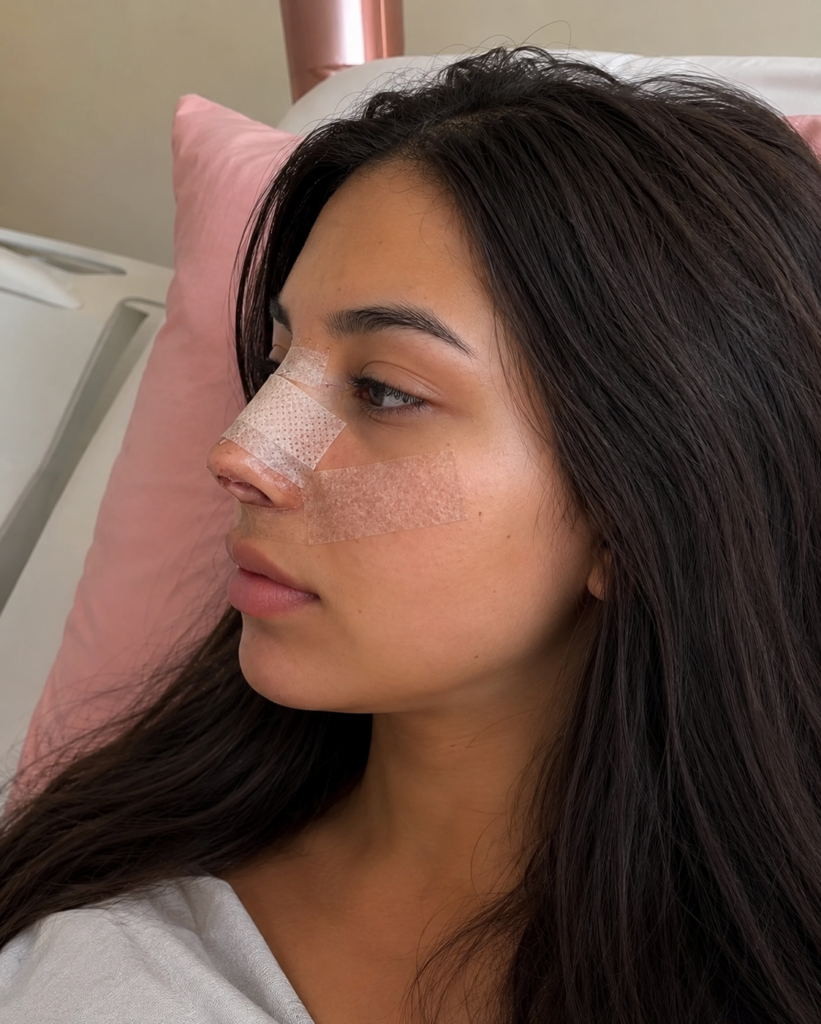
Many discussions surrounding the viral story also focused on the growing influence of appearance-based platforms such as OnlyFans and Instagram.
On these platforms, creators often earn money based on visibility, attractiveness, and audience engagement. This can create enormous pressure to maintain a certain image or continuously improve physical appearance.
Some experts believe this environment contributes to rising rates of cosmetic surgery among young influencers who feel their careers depend on staying attractive online.
While cosmetic enhancements have existed for decades, social media has dramatically accelerated both the demand and visibility of these procedures.
Final Thoughts
The story of the 22-year-old content creator quickly became much more than just a discussion about rhinoplasty. It opened larger conversations about beauty standards, genetics, social media pressure, self-esteem, and the psychological effects of living in a world where appearance often feels more important than ever before.
Whether people reacted with criticism, humor, sympathy, or concern, the viral debate highlighted one undeniable reality: social media continues to reshape how people see themselves and how far some are willing to go in pursuit of confidence and acceptance.
As cosmetic surgery becomes increasingly normalized and online beauty standards continue evolving, discussions like this are unlikely to disappear anytime soon.