Is him the Most Handsome Man Ever?
Was young Alain Delon the most handsome man ever?
Cinema has introduced the world to countless beautiful faces. From the golden age of Hollywood to modern international stardom, audiences have admired actors whose looks seemed almost unreal. Yet every generation eventually returns to one name when the conversation turns to male beauty at its absolute peak: Alain Delon.
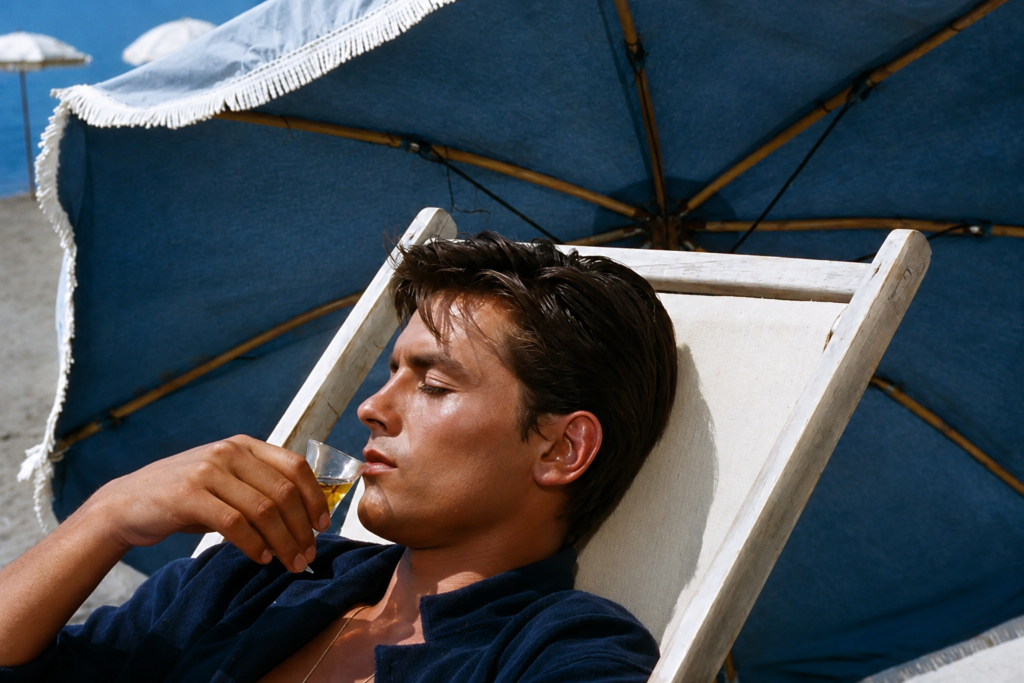
To call Delon simply “handsome” almost feels insufficient. Handsome is common. Alain Delon, especially during the 1960s, appeared untouchable — the kind of face that looked designed for the cinema screen itself. His piercing blue eyes, impossibly sharp cheekbones, effortless style, and calm, mysterious expression created an image so striking that decades later, social media still treats him as the ultimate standard of masculine beauty.
But what truly separated Delon from other attractive actors was not just his appearance. Many men have had strong jawlines or perfect symmetry. Delon possessed something rarer: aura. He carried himself with a cold elegance that made him impossible to ignore. He looked like a prince, but moved like a street fighter. He was refined and dangerous at the same time. That contradiction became his magic.
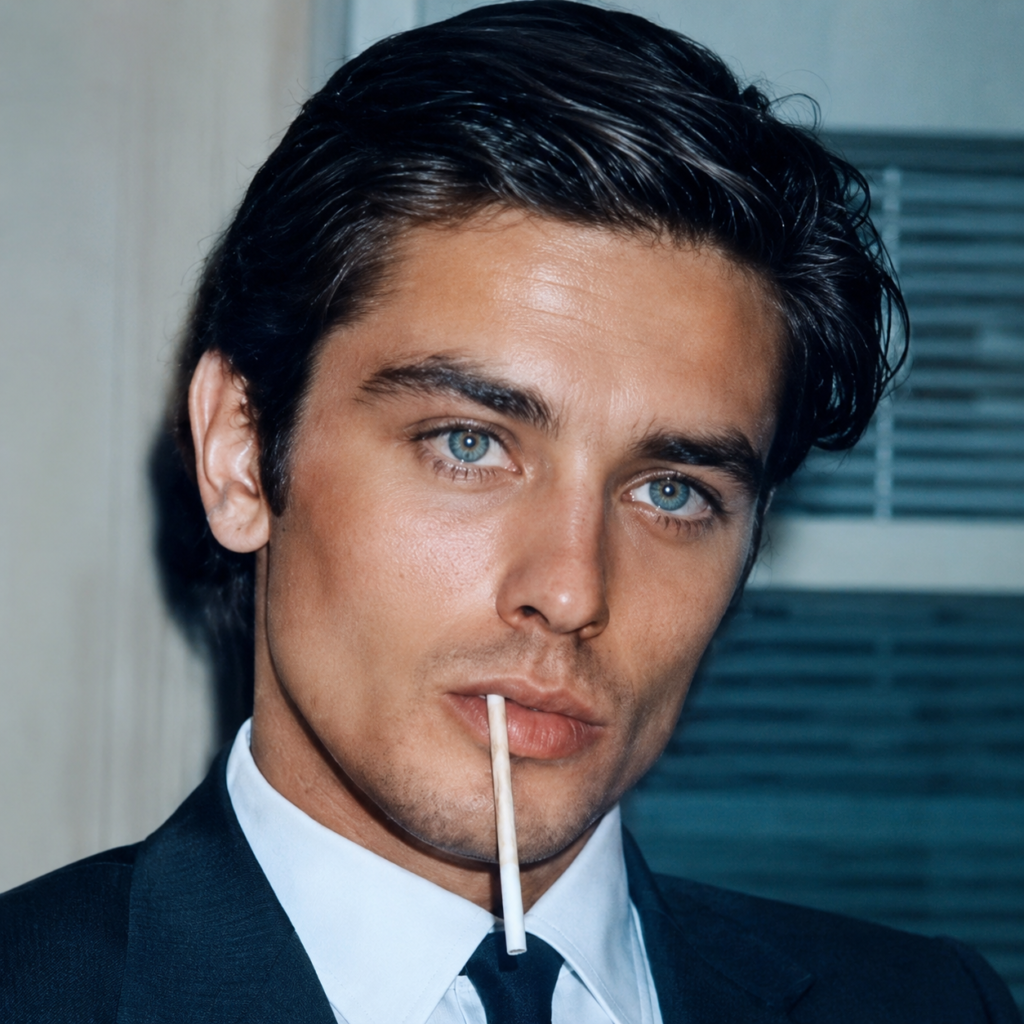
Unlike many stars manufactured by Hollywood studios, Delon’s rise felt accidental. Born into a working-class environment in France, he did not begin life as a polished aristocrat. He had a rebellious youth, served in the military, and carried a toughness that stayed visible even after fame transformed him into an international icon. That background mattered because beneath the beauty there was always tension. Audiences sensed that Delon was not merely posing for the camera — there was unpredictability in him.
When he appeared in films like “Purple Noon” (“Plein Soleil”), viewers saw something cinema had rarely produced before: a man so beautiful he almost looked fictional, yet emotionally unreadable. In that film, Delon adapted Patricia Highsmith’s Tom Ripley character into a seductive predator. He smiled less than other actors, spoke with restraint, and let his face do the work. The camera adored him. Every frame felt sculpted around his features.
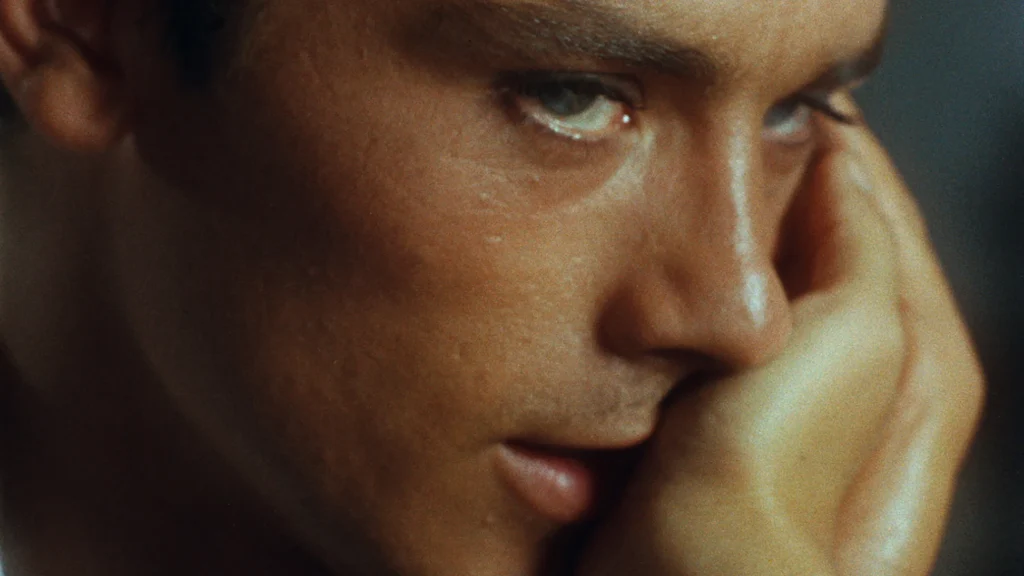
Soon after, directors such as Luchino Visconti recognized that Delon’s beauty alone was not the point. Visconti understood that Delon could embody both innocence and corruption simultaneously. In “Rocco and His Brothers,” Delon appeared youthful and vulnerable, while still carrying the energy of someone capable of violence. In “The Leopard,” standing beside legends like Burt Lancaster, Delon represented the arrival of a younger generation — beautiful, modern, seductive, and impossible to resist.
Then came the film that would define his mythology forever: Le Samouraï.